Welcome to the latest blog from the Impression Paid Media Team, where we uncover the latest news and trends to help you stay ahead of the curve.
Keep reading to discover:
Google announces huge new updates in agentic tools for shoppers
Kicking things off in January are major advances in the way we shop, shifting from traditional search methods to agentic commerce. A new experience where AI completes tasks on a user’s behalf. The recent Google announcements are now taking this from a concept to reality.
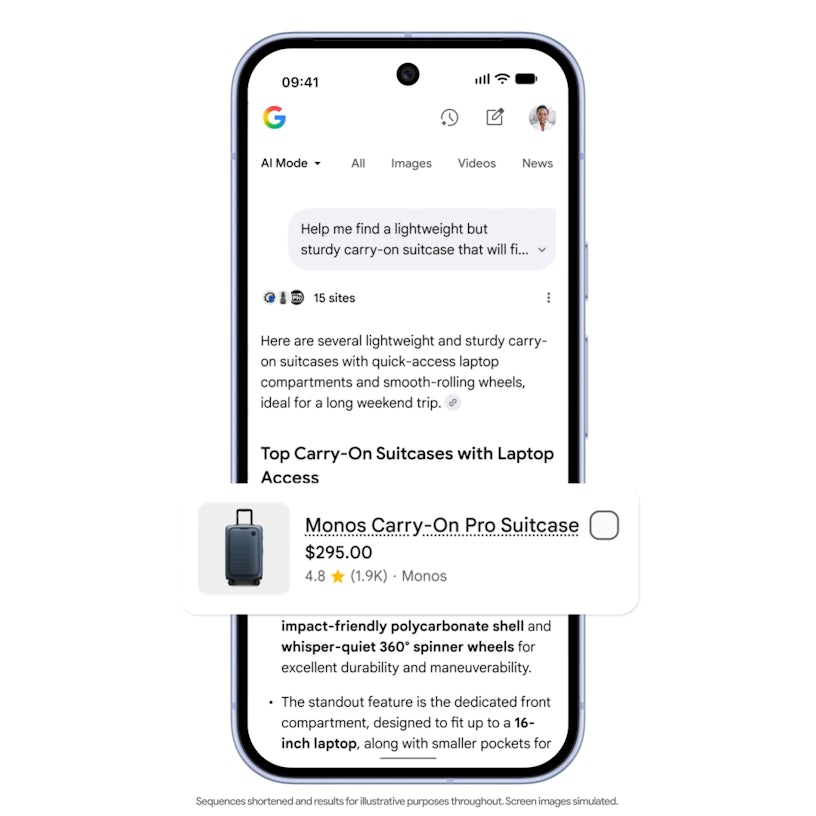
Google has announced three new updates, introducing Universal Commerce Protocol (UCP) alongside Direct Offers, a new ad pilot and business agent. UCP is a new “universal translator” that enables AI agents and online stores to communicate with each other. This stops the customer from needing to jump between websites to compare prices or fill out shipping forms. This essentially turns the AI Assistant into a personal shopper and allows the shopper to check out items in AI Mode.
Another new feature Google is introducing is Direct Offers. This new pilot allows advertisers to present exclusive offers for high-intent shoppers within AI Mode. Retailers can set up these special offers in the campaign settings, and AI will determine when to display them. This allows retailers to stand out and help close sales.
The final new feature is the business agent, a new way for shoppers to chat with brands. It acts as a virtual sales assistant, answering questions in a brand’s voice, ultimately driving sales. Currently, only eligible US retailers can activate and customise this agent within the merchant centre. This links with UCP and Direct Offers to create a brand new shopping experience.
What does this mean for me?
These new updates could see more conversions move from a retailer’s website to AI mode search pages, and Google Ads strategies move towards managing your offers and propping up your AI agent to best close a sale.
This is currently in its pilot stage and is only live for certain US retailers right now, with global expansion scheduled to hit the market in late 2026. This is definitely something to keep an eye on going forward, as it could change the way people shop!
Google Ads debuts centralised experiment centre
Another new feature Google has announced is its new experiment centre, which gives advertisers a single hub to test and measure strategies, as well as compare campaign performance. Featured on the new help page, it works as a unified dashboard that brings together multiple experiments and lift studies.
What does this mean for me?
The first big thing that the experiment centre does is boost efficiency for digital marketers. Itmakes it easier to compare campaigns and data and understand the impacts of testing, and ultimately gives more time to complete other tasks. By bringing lift studies together, you can see the full funnel in one view, allowing you to make more informed decisions.
If you would like to learn more about the experiment centre, click here!
OpenAI begins ad testing in ChatGPT
It’s finally happened: OpenAI has flipped the switch on advertising within ChatGPT. This isn’t a total surprise, but the execution is specific. It’s currently rolling out to adult users in the U.S. who are on the Free plan or the newer $8/month “Go” tier.
The ads themselves are strictly contextual. If you’re talking about a topic, a “sponsored module” will pop up at the bottom of your interface. OpenAI is being very careful here; they’ve explicitly stated that these ads won’t interfere with the actual AI responses, and you won’t see them appearing next to sensitive stuff like health advice or political debates.
What does this mean for me?
It notes a shift beyond the “list of links” model of traditional search. Now, you can reach people while they’re deep in a “decision-making” flow or a research rabbit hole. It’s high-intent inventory at its finest. The reporting is still in the “test-and-learn” phase, but the play here is clear: don’t just sell; be the helpful resource that fits the conversation.
Google Ads rolls out “Campaign Total Budgets”
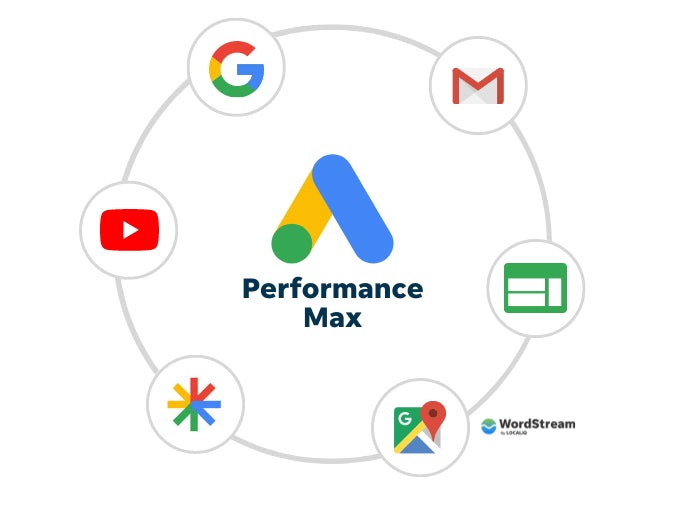
In a pretty big shift for how PPC campaigns are rolled out, Google has launched “Campaign Total Budgets” in open beta for Google Search, Performance Max, and Google Shopping. As Google is moving away from the rigid daily budget model, you can now set one lump sum for a specific date range.
Whether it’s a 72-hour flash sale or a month-long seasonal push, the system automates spend distribution to ensure targets are hit your target by the end date, without the headache of daily overspend or under-delivery.
What does this mean for me?
This is a huge win for efficiency, especially for short-term promotions where the manual adjusting of daily caps could be extensive. Early data suggests a lift in traffic for those letting the algorithm handle the pacing. Just a word of caution: Relying on Performance Max is essentially handing the most activation over to Google’s AI. Keep a close eye on the first half of your flight to make sure the AI isn’t being too aggressive (or too shy) during your peak traffic windows.
YouTube becomes core search infrastructure
YouTube isn’t just a social channel anymore; it’s officially part of the infrastructure for Google Search. As Google leans harder into AI Overviews, YouTube has become the most-cited domain in those AI answers, showing up in nearly 30% of all overviews.
Google’s AI is clearly prioritising “visual proof.” If a query asks how to do something, the AI wants to show a video demonstration rather than just a wall of text.
What does this mean for me?
If you aren’t doing video, you’re lacking a key channel for search. It’s that simple. Video assets are now a prerequisite for appearing in those high-value AI Overviews that sit at the very top of the SERP. Shift your focus toward “explainer” style content. In 2026, the goal isn’t just to get a view on YouTube, it’s to become the “trusted source” that the AI cites to answer a user’s question.
Look out for our next blog for more paid search industry updates to inspire your PPC strategy. If you want to talk about your business’ aspirations, get in touch!