Welcome to the latest blog from the Impression Paid Media Team, where we uncover the latest news and trends to help you stay ahead of the curve.
Keep reading to discover:
- Google integrates ‘Nano Banana Pro’ for automated creative
- Meta introduces AI-driven personalisation through chat interactions
- New ‘Reserved Ads’ and personalisation tools from LinkedIn?
- Google’s ‘AI Mode’ is changing how we see clicks?
- Display & Video shifts toward Generative Creative Optimisation (GCO)
- TikTok expands “Nearby Feed” to drive local discovery
Google integrates ‘Nano Banana Pro’ for automated creative
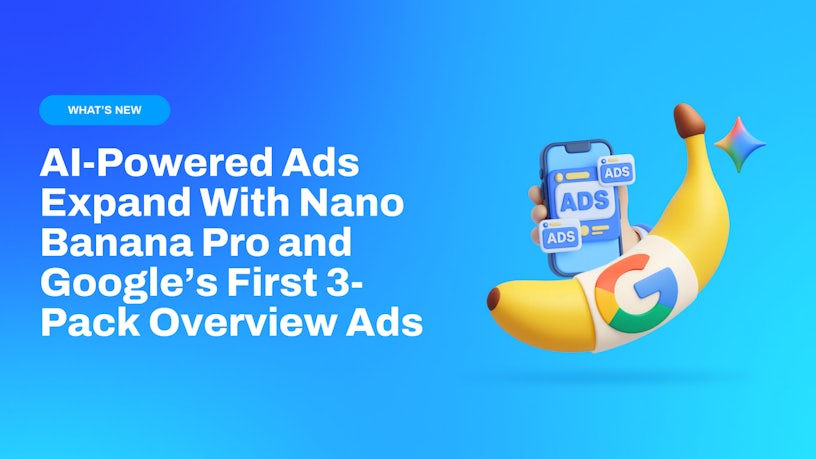
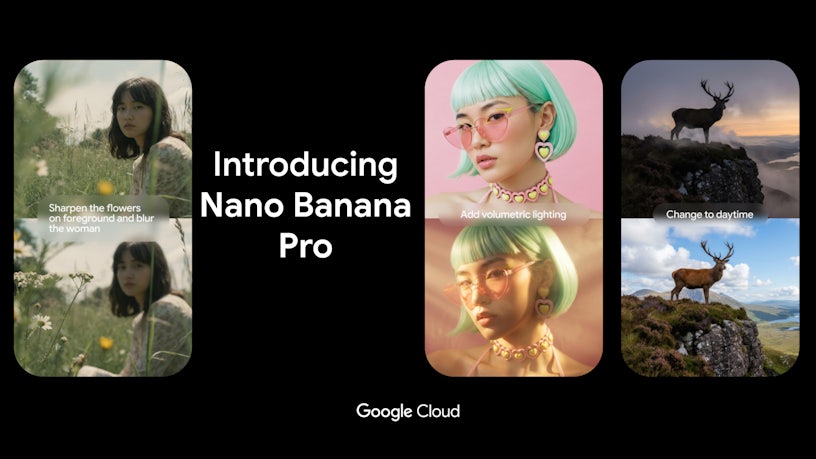
Kicking things off with the biggest news from December is Google’s leap into high-end automation with the release of the Nano Banana Pro AI model. Added to the Google Ads Asset Studio on the 12th of December, this state-of-the-art tool is a game-changer for anyone needing high-quality assets without the long wait or specialised skills for external design software. While the original version focused on speed, the “Pro” model prioritises reasoning and high-quality output, offering ultra-sharp 4K visuals and a 99% text accuracy rate for rendering complex sentences. It even uses Google Search to verify facts before rendering and allows you to upload up to 14 reference images, such as your logo or colour palette, to ensure every AI-generated asset stays perfectly on-brand.
What does this mean for you?
This integration essentially removes a lot of the creative hold-up, which often slows down campaigns by allowing you to move from a single asset to dozens of testable on-brand variants in minutes. Accelerating performance as the time and effort spent creating and resizing assets is effectively gone. However, there is a big risk that hyper-efficiency leads to an almost-authenticity crisis for brands. Over-reliance on AI can result in a sea of sameness, where campaigns lack the human, authentic feel that consumers increasingly crave.
Meta introduces AI-driven personalisation through chat interactions

One of the biggest Meta updates from December was a quiet but significant shift in how ads are personalised. From the 16th of December, Meta began using interactions with Meta AI, including both chat and voice conversations, to inform feed recommendations and ad targeting. Unlike traditional behavioural signals such as likes, follows or post engagement, this update introduces conversational intent into the targeting mix. For example, if a user asks Meta AI for “hiking trail recommendations,” Meta may begin surfacing ads for hiking boots, backpacks or outdoor apparel within their feed.
What does this mean for you?
This update signals a move toward intent-based interest targeting, bringing social platforms closer to search-style behaviour. For advertisers, it means Meta is becoming better at understanding why users are interested in something, not just what they engage with. The opportunity lies in reaching users earlier in their decision-making journey, but the risk is reduced transparency, as more targeting happens behind the scenes, brands will need to rely more heavily on creative testing and performance signals rather than manual audience control.
New ‘Reserved Ads’ and personalisation tools from LinkedIn
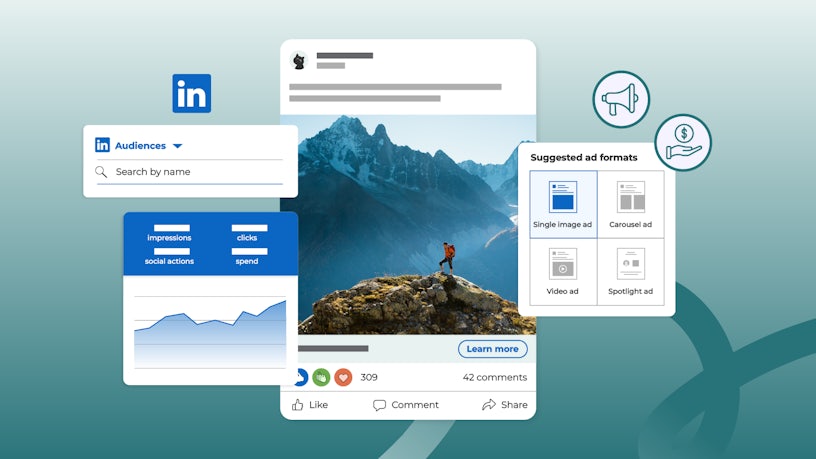
LinkedIn has just released a significant update for December, introducing an array of new formats designed to boost brand awareness through “reserved ads”. This new placement type allows brands to secure the very first ad slot on a user’s home feed during specific dates and times, ensuring premium visibility for a brand’s most important messages. Additionally, LinkedIn has launched ad personalisation, which can tailor copy in real time to include a user’s industry, job title or company name, making business-to-business ads feel far more tailored and bespoke.
What does this mean for you?
The rollout of these new features within LinkedIn offers a major boost for B2B strategies by guaranteeing top-of-feed placement, potentially leading to high view rates and better brand recall. This shift to more dynamic personalisation allows the ability to deliver customised messages that feel far more relevant to the individual user.
Google’s ‘AI Mode’ is changing how we see clicks
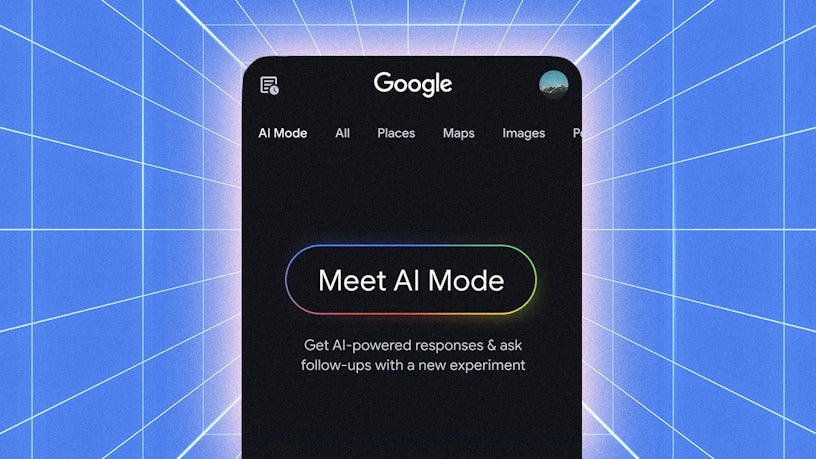
Another major shift from December is how Google’s AI mode is fundamentally changing the way we value ‘clicks’ and subsequently measure a campaign’s success. The latest update to Google pushes the search engine’s most advanced reasoning capabilities to the forefront of the search experience, representing a move from a discovery engine to a direct answer search engine.
What does this mean for you?
For marketers, this means the traditional search journey of a user, where a person searches, sees an ad and then clicks through to a website, is now being disrupted. The mass rollout of the AI mode feature has led to a zero-click user journey. Research shows that when AI mode is active, a user click-through rate can plummet by up to 47% because the AI satisfies the user’s query directly in the SERP results. While the zero-click trend presents a problem, AI Mode also offers a powerful upside by significantly improving the quality and intent of traffic that does eventually click through. This shift could allow you to reach customers where their queries are potentially too complex for traditional keywords but instead better suited for an AI guided conversation. Ultimately, while you might see fewer clicks, the clicks you will get are likely to be higher converting and more profitable. Allowing you to focus on driving genuine growth rather than just chasing traffic volume.
Display & Video shifts toward Generative Creative Optimisation (GCO)
In December, the Display & Video (programmatic) marketers saw increased momentum behind Generative Creative Optimisation (GCO), moving beyond traditional Dynamic Creative Optimisation (DCO). This shift comes as advertisers respond to the growing presence of AI-generated “Made For Advertising” (MFA) sites, which have flooded the open web with low-quality inventory. As a result, brands are leaning into Curated Marketplaces and premium, human-verified environments, using GCO to generate tailored, high-quality creative at scale without sacrificing brand safety.
What does this mean for you?
GCO allows advertisers to maintain efficiency while regaining control over quality. By pairing generative creative with curated supply paths, brands can reduce wasted spend on synthetic audiences and low-value placements. However, as with any automation, there’s a balance to strike. Without strong creative guardrails and measurement frameworks, even generative optimisation can become repetitive or misaligned with brand tone.
TikTok expands “Nearby Feed” to drive local discovery
TikTok continued its push into search and discovery in December by expanding its ‘Nearby Feed’ across Europe. The update integrates location-based content, local business footnotes, and a new reviews experience that appears directly alongside video comments. This positions TikTok as a serious competitor to platforms like Google Maps and Yelp, allowing users to discover nearby places without ever leaving the app.
What does this mean for you?
For paid media, this opens up powerful hyperlocal advertising opportunities that feel native rather than intrusive. Brands can now tag locations within ads to drive in-store visits and local awareness, supported by social proof through reviews and community commentary. The challenge will be standing out in a space that blends organic and paid content so seamlessly that creative relevance and authenticity will be key to success.
Look out for our January edition of “What’s New in Paid Media” for a monthly round-up of industry updates to inspire your PPC, Paid Social, and Programmatic strategy. If you want to talk about your business’s aspirations, get in touch!