As marketers, we love a good social media strategy document. It can turn chaos into something tangible and keep us focused. But while it’s great at mapping the destination, it can’t predict every twist and turn of the journey.
In 2026, the social media landscape doesn’t stand still; it’s a hyper-critical mix of rapid platform updates and fleeting trends. Our job is to help brands navigate that reality.
But if your brand is struggling with this, there is one uncomfortable truth you may need to come to terms with: your audience might be moving faster and acting smarter than the strategy you designed to reach them.
To understand why, let’s first look at what’s actually changed. Because whilst social media itself has evolved, the biggest shift has been in the people using it.
The evolution of the social media consumer
It would be impossible for us to talk about why audiences are so savvy today without first looking at the evolution of social media over the last two decades.
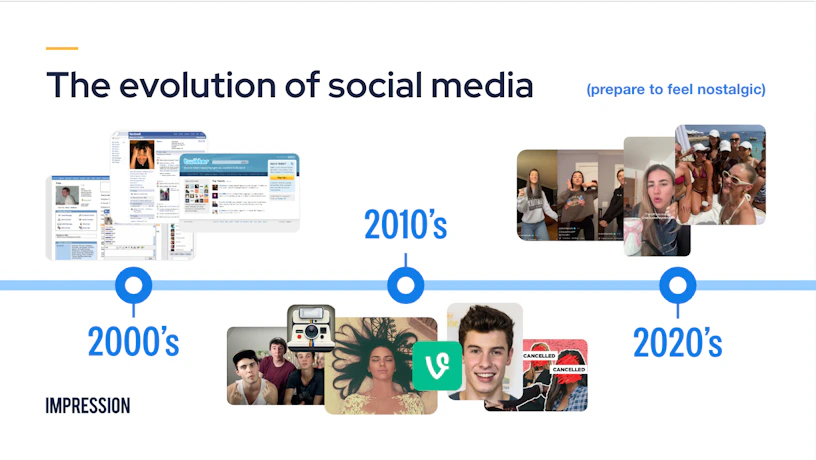
- The 2000s (Experimentation): Social media was fun and messy. We learned the basic mechanics of posting, setting up profiles, and building communities.
- The 2010s (Curation): The era of the “creator.” Aesthetics took over, and we began obsessing over algorithms, influencers, and personal branding.
- The 2020s to Today (Critique): After 20+ years online, audiences understand the marketing playbook. They actively participate in shaping conversations, and they can easily spot manufactured authenticity, lazy trend-jacking, and out-of-touch brands.
This evolution has created an audience that no longer simply consumes marketing; they actively analyse it.
Today, there are more than 5.79 billion social media users worldwide. That isn’t billions of users sitting quietly waiting to be sold to. It’s billions of users who have become media-literate, who investigate, question and interpret everything they see.
And that media literacy hasn’t happened by accident. It’s the result of more than two decades of people growing up alongside social media, learning how platforms work, watching creators build brands and, perhaps most importantly, gaining access to more information than ever before.
Information is no longer just brand-owned
Back in the early days of social media, consumers were more likely to take what a brand said at face value. Today, that information is only the starting point, and your campaigns are just the conversation starter.
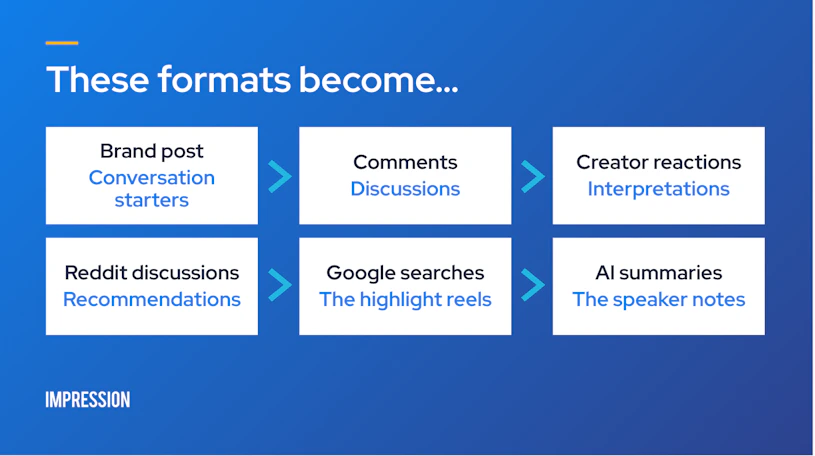
A single brand post instantly transforms into comment sections, creator reactions, Reddit discussions, Google searches, and AI summaries.
So, people aren’t just seeing what your brand says anymore.
- They’re comparing products on TikTok
- They’re searching Reddit for genuine recommendations
- They’re fact-checking claims
- They’re reading reviews
- They’re asking AI to summarise everything they’ve found
The data reflects this shift.
- 41% of Gen Z now turn to social media first when looking for information about a brand to fact-check claims, compare products, and find reviews.
- 92% of consumers trust recommendations from real people more than ads.
In other words, people no longer form an opinion of your brand from one polished Instagram post. Their perception is built by connecting the dots between your website, PR coverage, creator content, comment sections, reviews and everything else they can find online.
Comments become discussions. Creator reactions become interpretations. Reddit threads become recommendations. Google searches become the highlight reel. AI summaries become the speaker notes.
Authenticity is an expectation, not a differentiator
When audiences have spent years learning how social media works and have access to all of this information, should we really be surprised that they’re so quick to spot when something doesn’t feel authentic?
Because audiences understand how the algorithm works and recognise when an influencer has been handed a script, they have developed an incredibly sharp instinct for what feels forced or performative.
If you try to fake it, they will call you out.
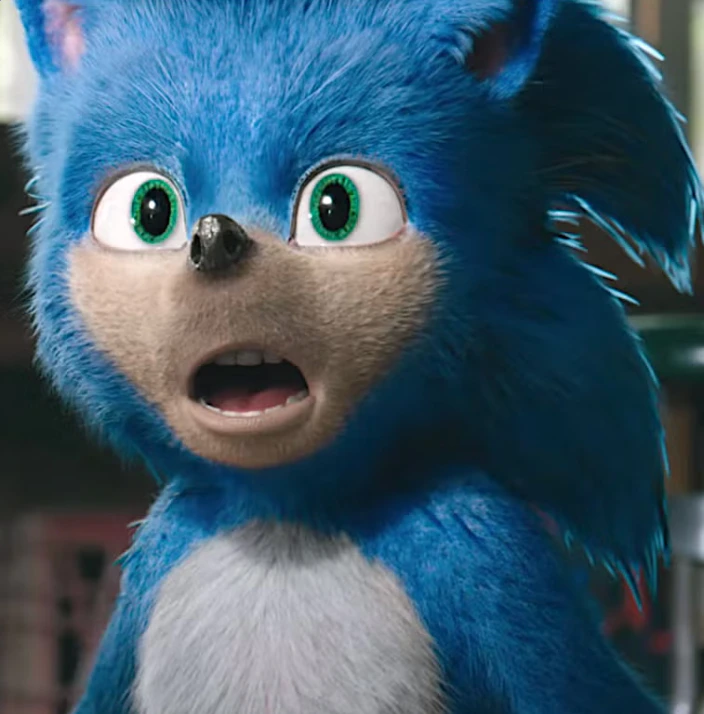
We have seen consumer reactions dictate multi-million-dollar creative decisions (think back to the massive public outcry that forced Paramount to completely redesign the Sonic the Hedgehog movie character). We see it in the rapid backlash against non-inclusive makeup shade ranges, tone-deaf brand trips and campaigns that simply don’t align with a brand’s values.
And the reason for that is simple: people buy from brands they trust.
Right now, 81% of consumers say they need to trust a brand before they buy from it. If a brand shows up in a way that feels disconnected from its values or tries too hard to manufacture authenticity, that trust can quickly be eroded.
So while attention might get your brand seen, trust is what drives long-term advocacy.
How brands can win in a media-literate world
We aren’t telling you to throw out your strategy document. But your strategies must leave room to adapt.
After all, if your audience is constantly evolving, your strategy needs to be able to evolve with them. The brands that are winning today aren’t the ones trying to predict every conversation before it happens – they’re the ones building strategies that are flexible enough to respond when it does.
1. Listen continuously, not just at the start
Social listening shouldn’t be a one-off exercise you do while writing your strategy.
One of the very first things many of us do when building a strategy is social listening. We want to understand what people are already saying about our brand, what they care about and how they perceive us. But the question is: are we stopping there?
Your audience is telling you what they think every single day. The brands that continue listening long after the strategy has been signed off are the ones most likely to stay relevant.
2. Stop reacting to every piece of culture
Not every TikTok trend or meme deserves a brand response.
The brands that win aren’t the ones desperately showing up everywhere; they are the ones showing up in the right places, for the right reasons.
Before jumping on a trend, ask yourself:
- Does our brand genuinely belong in this conversation?
- Are we adding value, or are we simply trying to stay relevant?
Sometimes, saying nothing is a stronger strategic decision than saying something for the sake of it. Learn more about why your brand shouldn’t jump on every trend here.
3. Treat consumers as co-creators
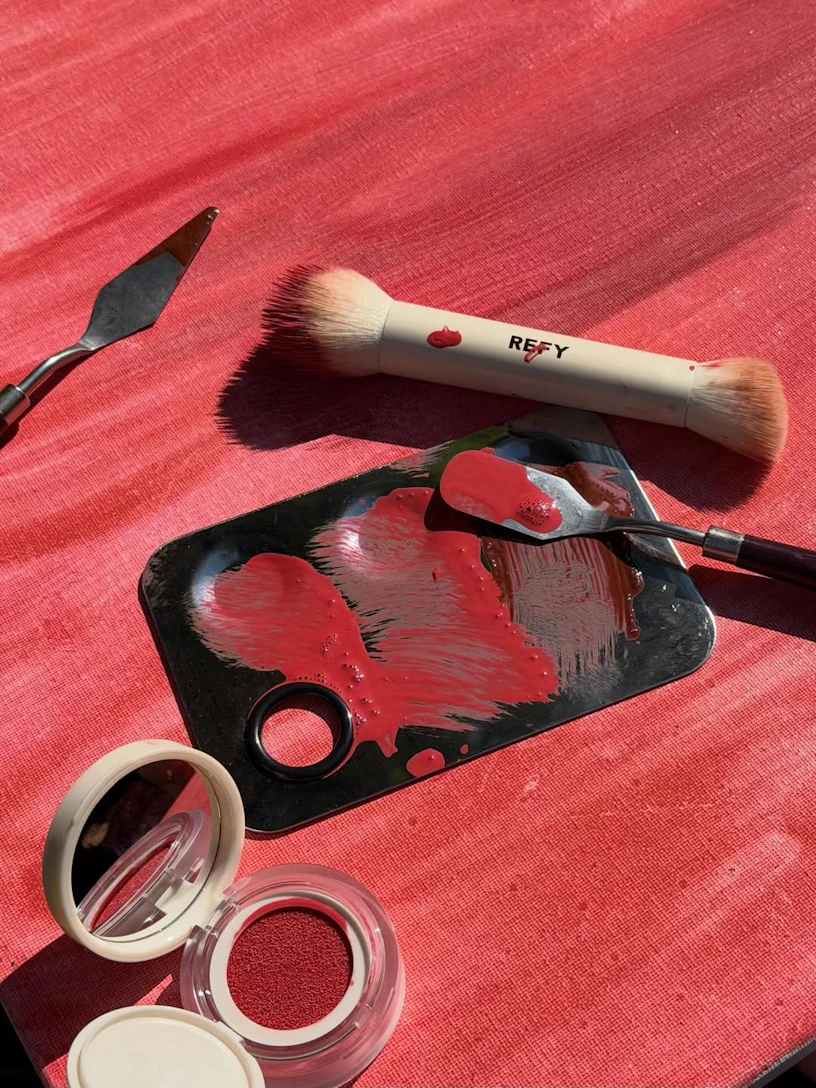
Look at brands like REFY.
They have scaled to over £100 million in annual sales because they don’t treat their audience simply as buyers. They put their audience at the centre of the brand, actively collecting feedback and turning customers into co-creators.
Their audience isn’t simply the outcome of their marketing – it’s an active part of shaping it.
By continuously listening, testing and adapting, they’ve created a brand that evolves alongside its community, rather than trying to catch up with it.
The bottom line
Your audience isn’t necessarily trying to outsmart your marketing strategy. They are simply moving faster than traditional, static strategy documents were ever designed to accommodate.
To build a digital reputation that cuts through the noise, you need a strategy that goes beyond platform trends, leaves room for rapid adaptation, and recognises your audience as active participants in your brand’s story.
Because the best strategy documents don’t try to predict every twist and turn. They provide a clear direction while leaving room to evolve as audiences, platforms and culture inevitably change.
Sources for stats quoted in this article: