This month, we bring you the latest developments from a search landscape that is becoming increasingly immersive and transparent, with a focus on refining how AI consumes, cites, and reports on web content.
The bridge between traditional browsing and conversational AI is narrowing: Google has introduced a new split view on desktop, allowing users to view publisher sites and the AI interface side-by-side. This persistent AI companion is further evolving with the live testing of ‘Audio Overviews’, which transforms search results into podcast-style conversations. However, with this increased integration comes stricter quality control. Google has issued a fresh warning against self-serving listicles designed to manipulate LLM responses, reinforcing that shortcuts to AI visibility will likely result in algorithmic penalties.
Google resolved a year-long impression logging bug in Search Console, though the fix comes with the caveat of a permanent data anomaly in historical reporting. Meanwhile, Microsoft is teasing new Bing Webmaster Tools features like Citation Share and specific intent reporting to help SEOs master Generative Engine Optimisation (GEO).
We’ll explore these updates and more in detail in the article below.
Allow our traffic light system to guide you to the articles that need your attention, so watch out for Red light updates, as they’re significant changes that will require you to take action. In contrast, amber updates may make you think and are worth knowing, but aren’t urgent. And finally, green light updates, which are great for your SEO and site knowledge, but are less significant than others.
Keen to know more about any of these changes and what they mean for your SEO? Get in touch or visit our SEO agency page to find out how we can help.
In this post, we’ll explore:

Following reports of SEOs using self-serving listicles to influence LLMs and Generative Engine Optimisation (GEO), Google has confirmed it is aware of these tactics and is actively working to combat them.
A Google spokesperson stated that the company applies ‘robust protections’ against manipulation in both Search and Gemini to ensure that low-quality, biased content does not skew AI-generated responses. While the pressure to maintain visibility in a shifting search landscape is high, this serves as a timely reminder that long-term success still lies in high-quality, people-first content.
For brands, the focus should remain on building genuine authority rather than attempting to ‘trick’ the algorithms, as Google’s ability to spot and penalise manipulative patterns continues to evolve alongside its AI capabilities.
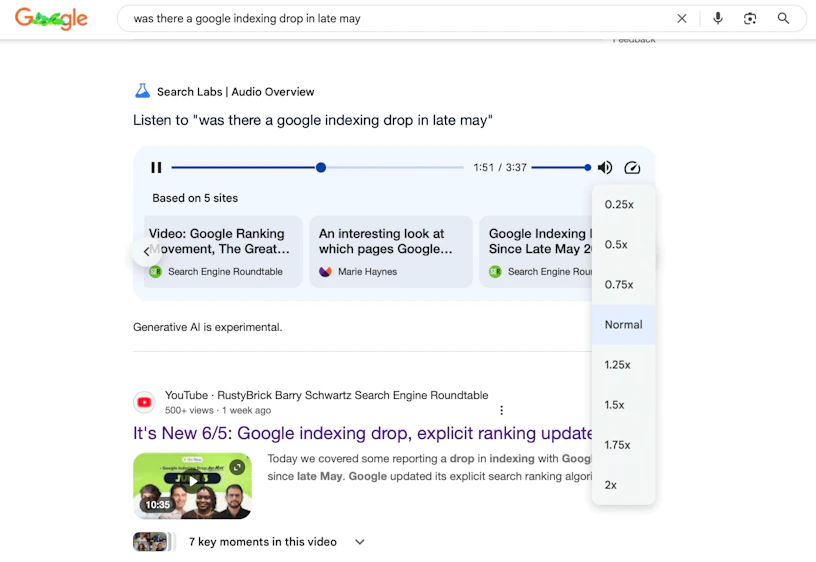
Google has begun testing ‘Audio Overviews’ in the wild, moving the feature beyond its initial Search Labs experimental phase. Powered by the latest Gemini models, this functionality generates conversational, podcast-style audio summaries for specific search queries, often featuring a multi-person dialogue to explain complex topics.
While this offers a highly accessible way for users to consume information on the go, it presents a new challenge for digital marketers and publishers, as AI-generated podcasts could potentially keep users within the search ecosystem longer.
As Google continues to experiment with more immersive and auditory formats, it highlights the increasing importance of multi-modal content strategies and ensuring your brand’s insights are authoritative enough to be cited in these emerging AI-driven summaries.
Here is what the Audio Overviews look like:
Google has officially resolved a significant logging error in Search Console that impacted impression reporting for nearly a year, specifically from May 13, 2025, to April 27, 2026.
While the fix ensures data accuracy moving forward, Google has confirmed that historical data from these 50 weeks will not be retroactively corrected, leaving a permanent anomaly in year-over-year reporting. Because the bug primarily caused an over-reporting of impressions, many site owners may notice a sharp decline in their performance charts following the fix; however, this represents a return to accuracy rather than a loss in actual search visibility.
Clicks and conversions remained unaffected throughout, but metrics derived from impressions, such as CTR and average position, during that period should be viewed with a heavy asterisk when conducting long-term trend analysis.

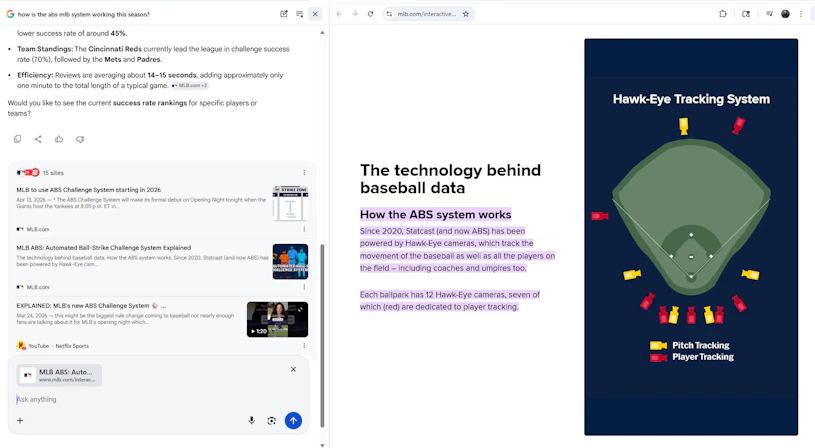
Google has rolled out a significant update to how AI Mode functions on desktop, introducing a side-by-side split view experience when users click on citations.
Instead of navigating away from the search interface, Chrome now opens the destination website on the right side of the screen while keeping the AI search active on the left. This allows users to browse a publisher’s content while simultaneously asking the AI follow-up questions about the page. While this persistent AI interface may raise concerns for publishers regarding screen real estate and user attention, initial tests suggest that page views and tracking remain largely unaffected.
Ultimately, this move signals Google’s commitment to making AI a constant presence throughout the entire search journey, further bridging the gap between traditional browsing and conversational discovery.
Here is what a split screen looks like in AI Mode:
Microsoft has previewed a suite of new AI-focused reporting features for Bing Webmaster Tools, signalling a push for greater transparency in how websites perform within AI-driven search results.
The upcoming updates include Citation Share metrics, which track how often a site is referenced in AI responses, and Grounding Query Intent, which categorises searcher intent across 15 predefined types. Additionally, the platform will offer GEO-focused recommendations to help publishers better align their content with AI requirements.
While these features are not yet live, they highlight a growing gap in transparency between Bing and Google, providing SEOs with actionable data to refine their strategies as generative search becomes a central pillar of the browsing experience.
Keep an eye on our blog for the latest Google Algorithm updates, or get in touch if you want to discuss your digital solutions, such as SEO, for 2026 and beyond.